Compare creatine labels: grams per serving and blend transparency
Creatine products can differ in serving mass, ingredient form, added ingredients and package size. Compare the named ingredient declaration before comparing container size.
What to compare on the label
Look for an explicit creatine declaration and its unit. A scoop weight is the mass of the whole serving; it is not automatically the creatine amount.
Keep creatine monohydrate distinct from other named forms. A mass conversion from grams to milligrams changes the unit only, not the ingredient identity.
A proprietary blend total does not disclose each component. Leave an undisclosed creatine amount unknown rather than allocating the blend total to it.
Explore 16 recorded creatine products
These are source observations, not a ranking, current-stock feed or independent contents test. Product cards retain the original name and observation date on their detail pages.
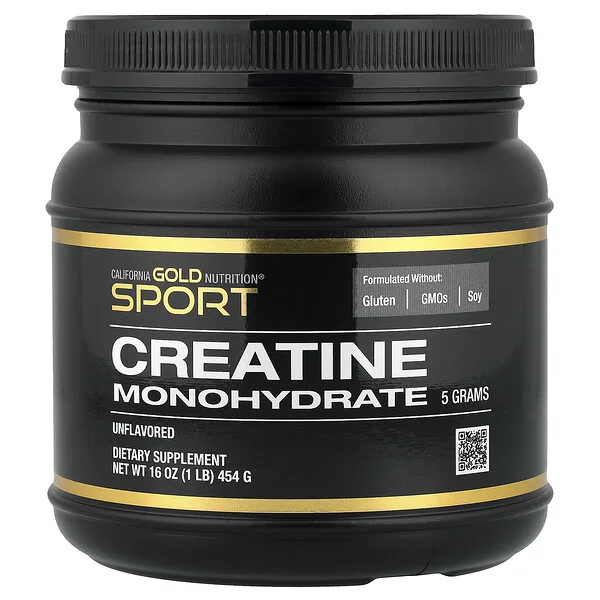
California Gold Nutrition
Sport, Pure Creatine Monohydrate
1 lb
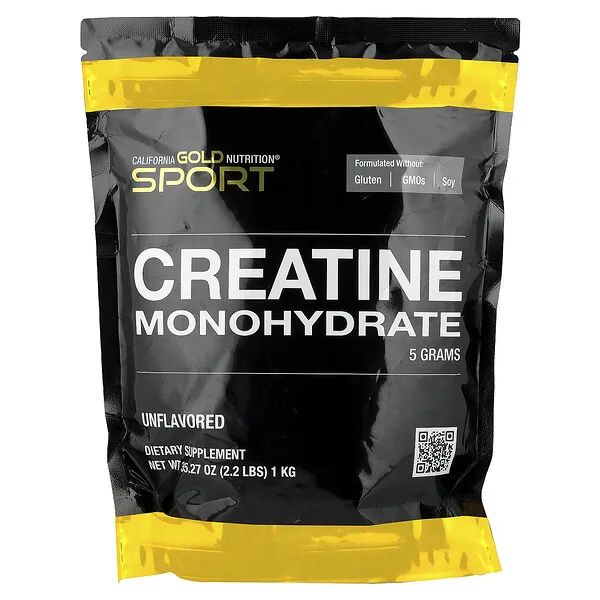
California Gold Nutrition
Sport, Pure Creatine Monohydrate
2.2 lb
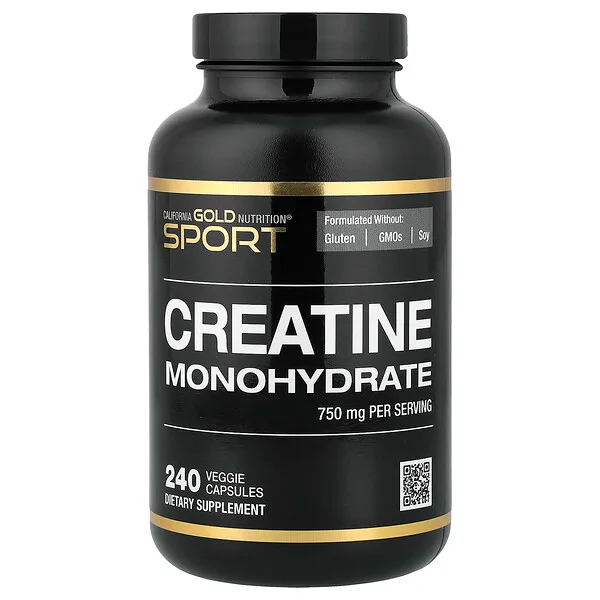
California Gold Nutrition
Sport, Pure Creatine Monohydrate
240 count
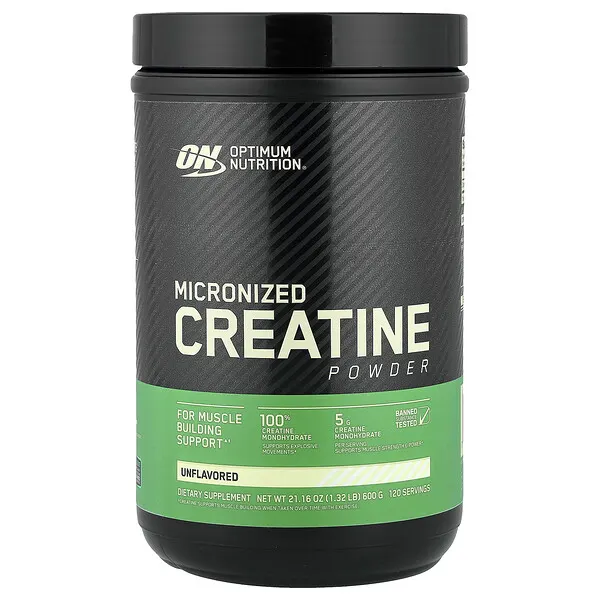
Optimum Nutrition
Micronized Creatine Powder, Unflavored
1.32 lb
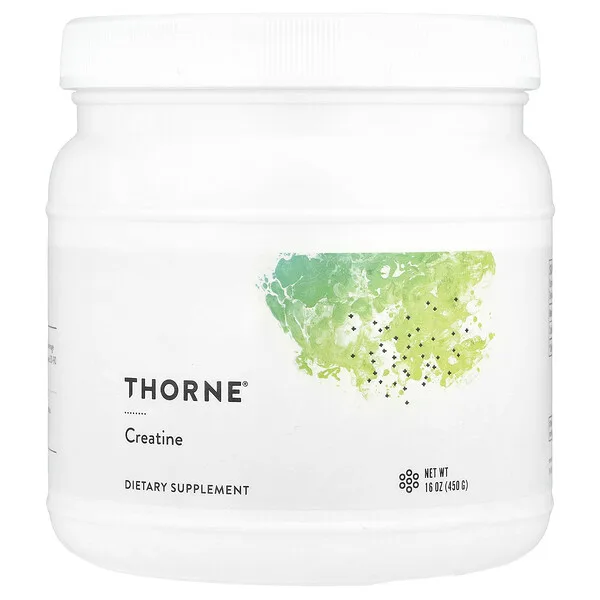
Thorne
Creatine
16 oz
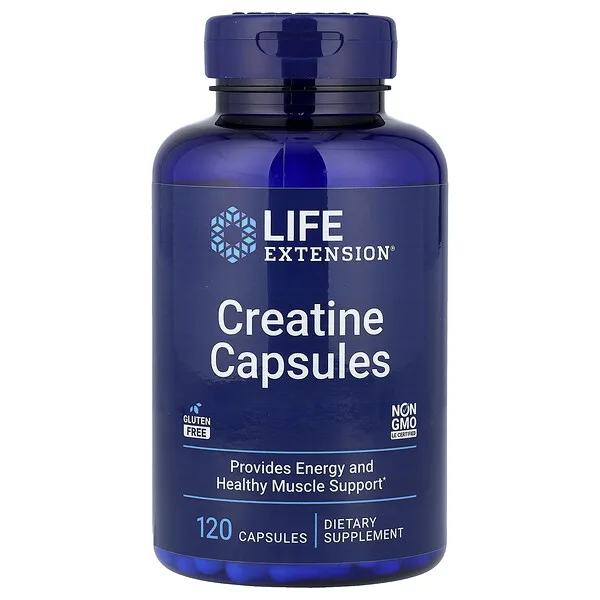
Life Extension
Creatine Capsules
120 count
Keep uncertainty visible
A missing amount means it is not disclosed in this captured record, not that the ingredient amount is zero. Do not add parent blend totals to their nested components. Check the current source label for warnings, other ingredients and directions before making a purchase.
Source and editorial notes
For independent background on the ingredient, read the NIH Office of Dietary Supplements fact sheet. NIH does not endorse this site or the products listed here. Our comparison examples describe label interpretation, not product efficacy.
How we organize source labels · Send a correction