Compare vitamin B12 labels: micrograms, forms and serving units
Vitamin B12 products use different forms and formats. A clear comparison separates the declared nutrient amount from the chemical name and physical serving.
What to compare on the label
Read micrograms carefully: 1 mg equals 1,000 mcg. Our mass conversion is shown alongside the original, never in place of it.
Keep methylcobalamin, cyanocobalamin and other forms in the original declaration. Equal mass alone is not a claim of equal clinical effect.
Inspect whether the serving is a tablet, lozenge or measured liquid amount, and distinguish B12-only products from B-complex formulas.
Explore 14 recorded vitamin b12 products
These are source observations, not a ranking, current-stock feed or independent contents test. Product cards retain the original name and observation date on their detail pages.
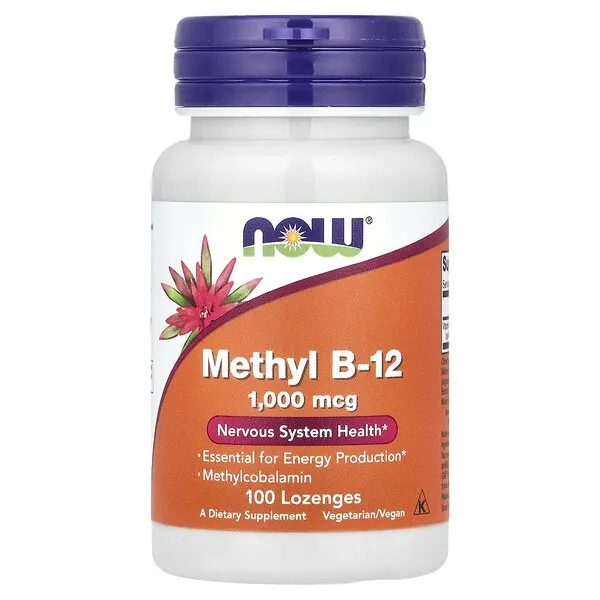
NOW Foods
Methyl B-12, 1,000 mcg
100 count
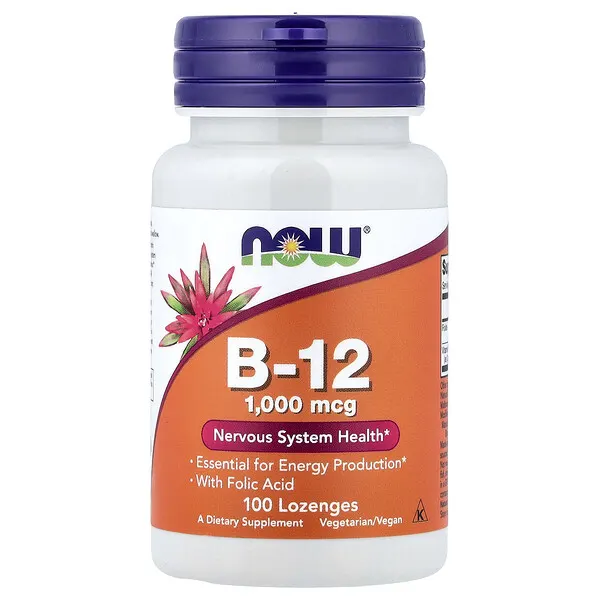
NOW Foods
B-12, 100 Lozenges
100 count
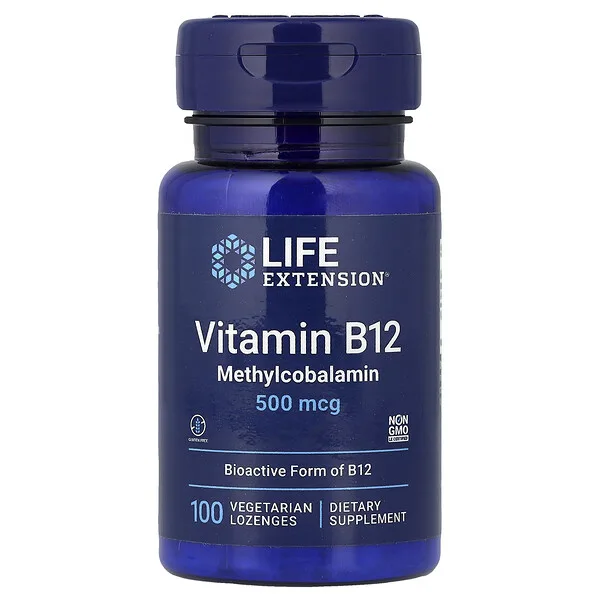
Life Extension
Vitamin B12, Methylcobalamin
100 count
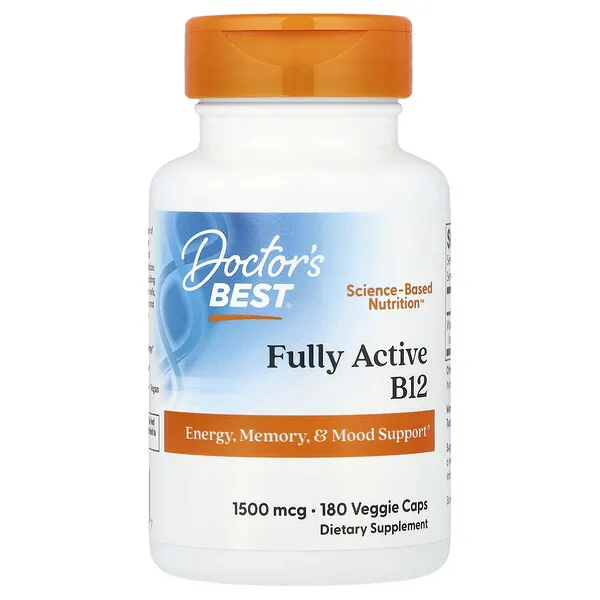
Doctor's Best
Fully Active B12, 1,500 mcg
180 count
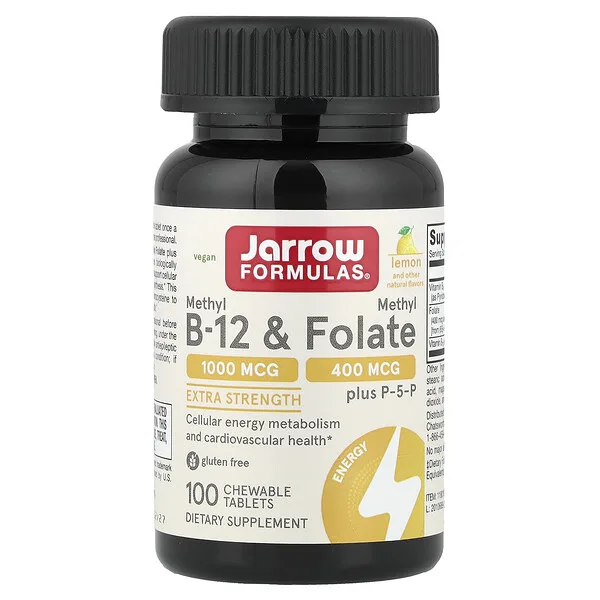
Jarrow Formulas
Vegan Methyl B-12 & Methyl Folate, Lemon
100 count
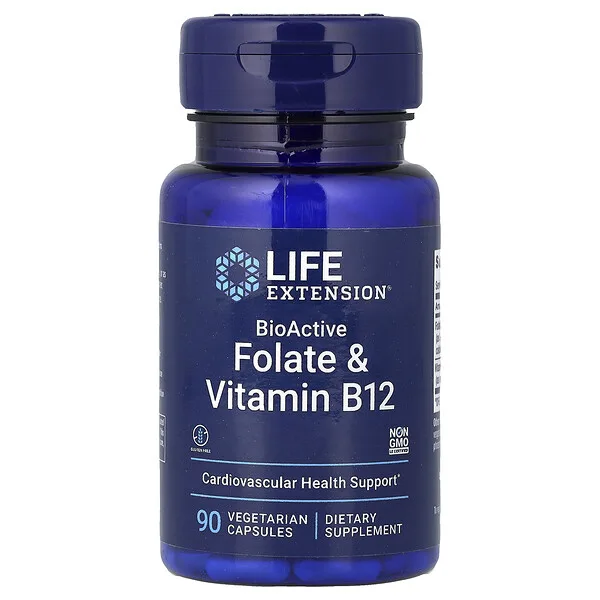
Life Extension
BioActive Folate & Vitamin B12
90 count
Keep uncertainty visible
A missing amount means it is not disclosed in this captured record, not that the ingredient amount is zero. Do not add parent blend totals to their nested components. Check the current source label for warnings, other ingredients and directions before making a purchase.
Source and editorial notes
For independent background on the ingredient, read the NIH Office of Dietary Supplements fact sheet. NIH does not endorse this site or the products listed here. Our comparison examples describe label interpretation, not product efficacy.
How we organize source labels · Send a correction